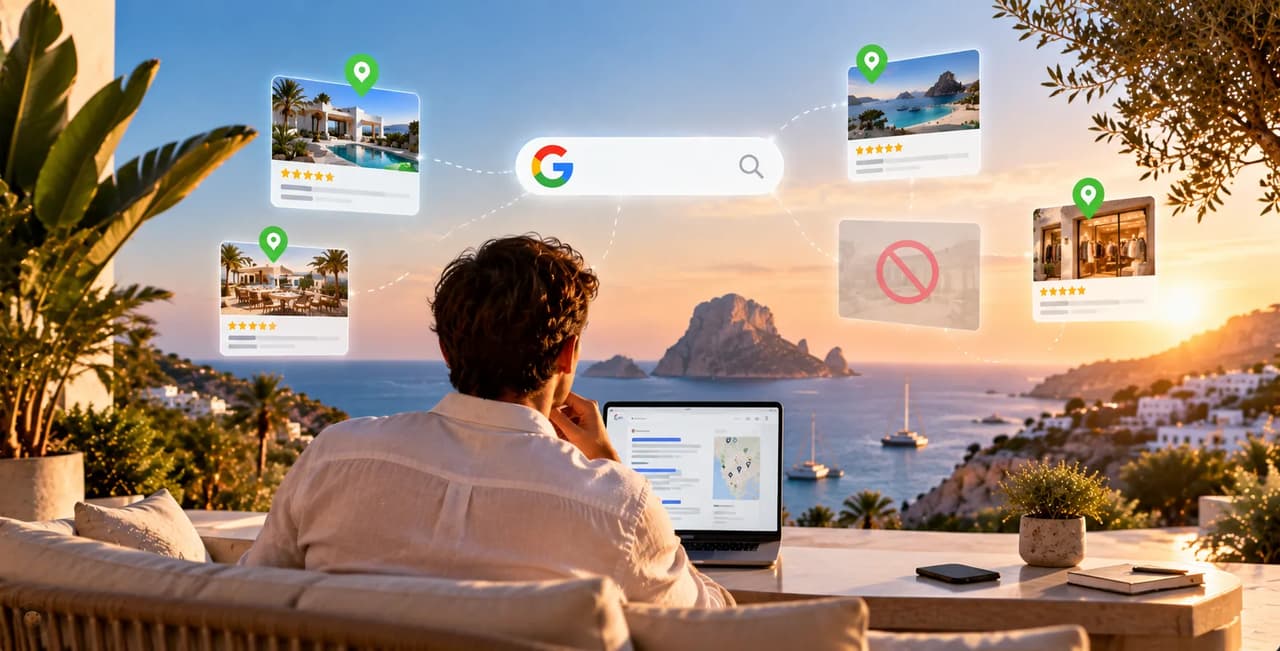
Not every business needs a chatbot, but some really do
In practice, the businesses that regret adding a chatbot are usually the ones that installed one because it felt modern, not because a specific problem needed solving. The ones that get real value from it are the opposite: they noticed the same five questions landing in their inbox every week, at hours nobody was there to answer them, and built a chatbot around exactly that gap.
Where a chatbot actually pays off
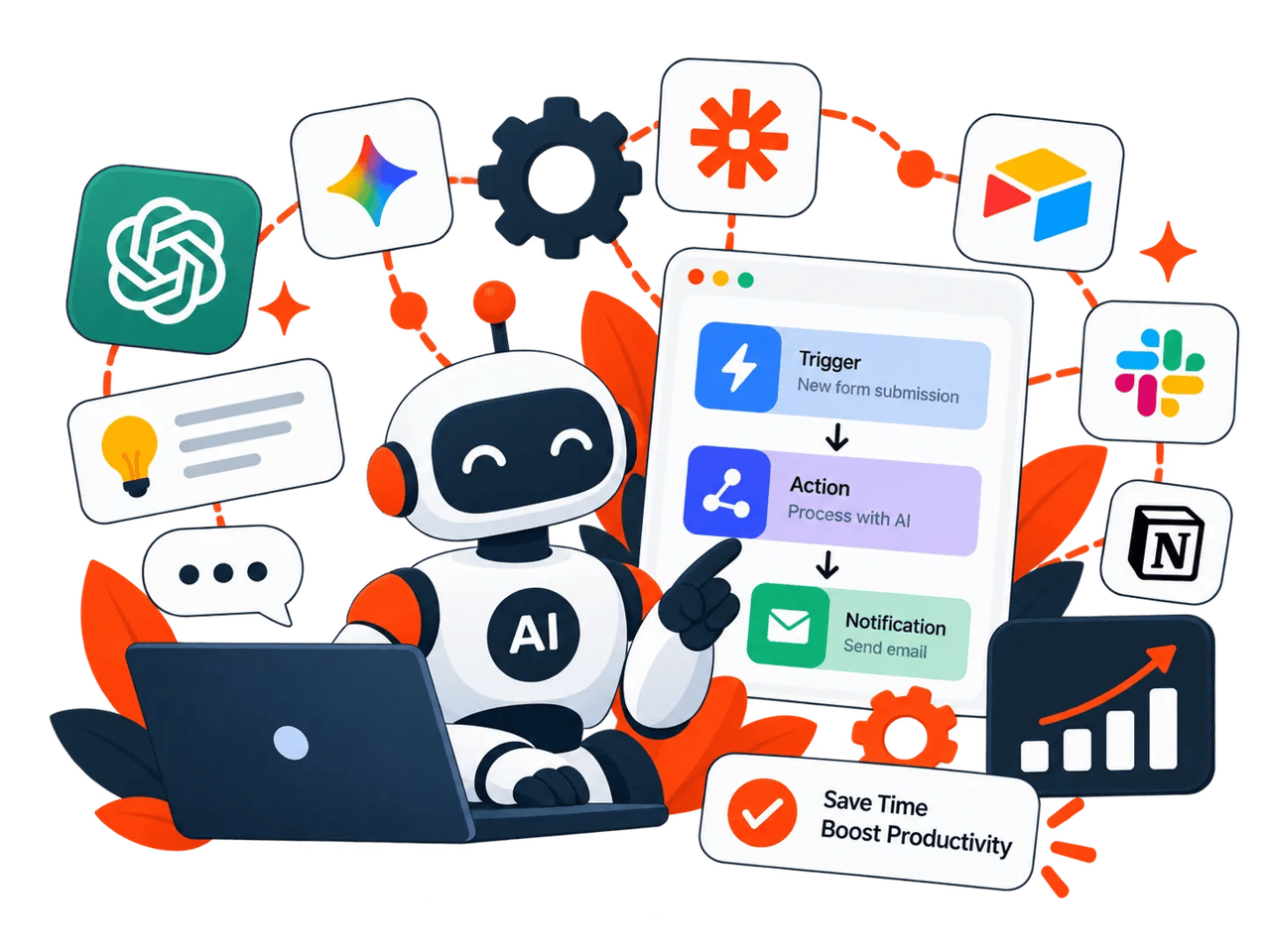
A chatbot earns its place answering the questions a business hears constantly and can answer with total confidence every time: opening hours, availability for a given date, starting prices, how to book. These are exactly the messages that arrive at 11pm when nobody's at the desk, and a good chatbot closes that gap without making a visitor wait until morning for an answer a webpage could have given instantly. Where it falls short is anything that requires judgment or actually closing a sale: a couple asking detailed questions about a high value villa, a buyer negotiating terms on a property, a guest with a genuine complaint. Handing these to a chatbot doesn't just fail to help, it visibly signals that the business isn't paying attention at the exact moment trust matters most.
Three questions to ask first
If your inbox gets the same five questions every week, that's exactly what a chatbot should be answering.
A chatbot's biggest value is covering the hours nobody's there to answer, not replacing someone who already responds fast during the day.
If your highest value inquiries involve negotiation or a real conversation, keep the chatbot out of that part entirely.
"A chatbot that tries to close your biggest sales will cost you more clients than it ever saves you time."
— Ibiza Boost
The setup decides everything
The difference between a chatbot that helps and one that frustrates clients almost never comes down to the technology itself, it comes down to how narrowly it's scoped. A chatbot that only ever answers the handful of questions it was actually trained for, and hands off cleanly to a real person the moment something falls outside that, builds trust. One that tries to sound like it can handle everything, then gives a vague or wrong answer under real pressure, does the opposite.
Let's see if a Chatbot actually makes sense
We look at your actual inquiry volume, the questions that repeat, and where a human still needs to close the sale, and tell you honestly whether a chatbot will help or just get in the way.